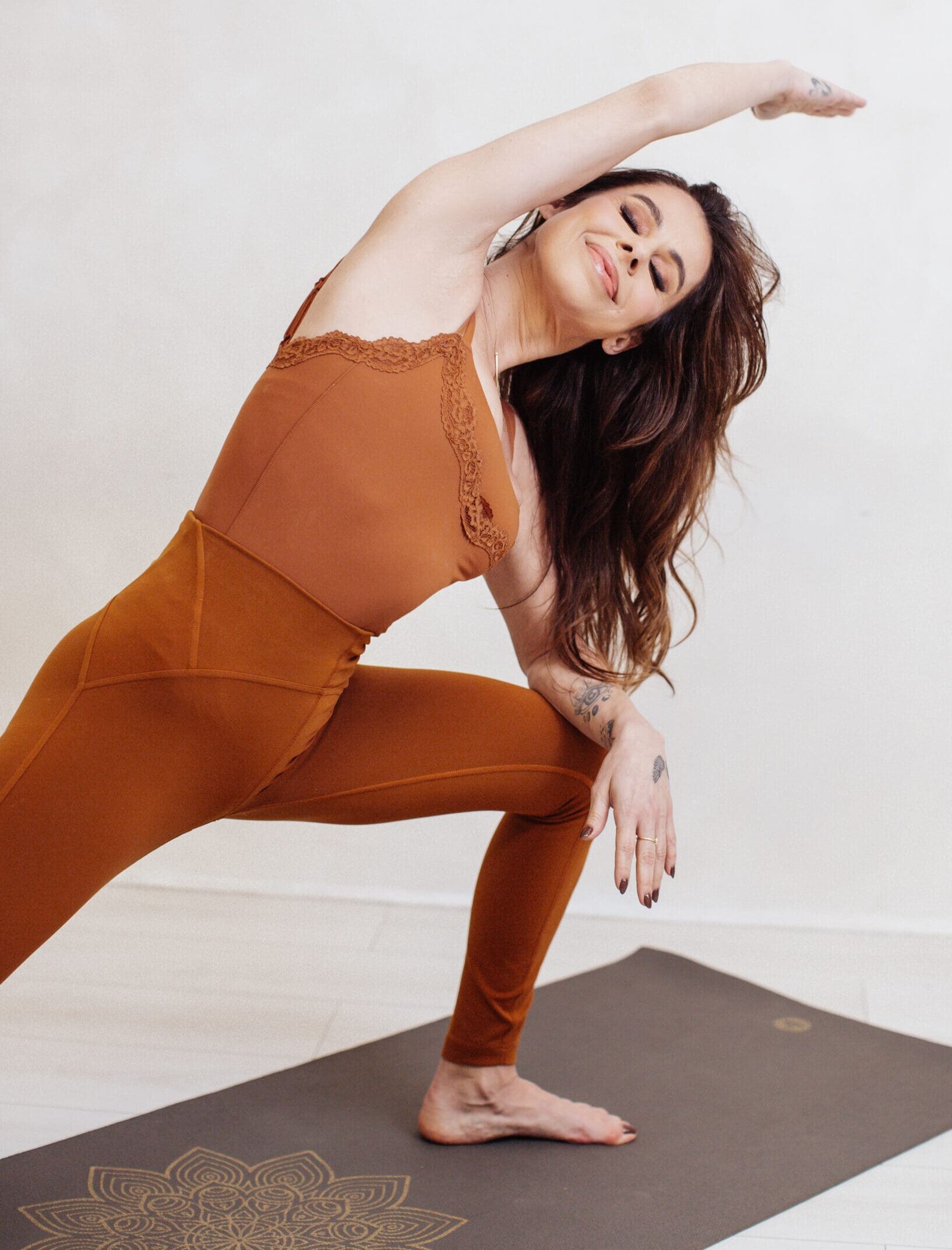
Modern life often feels overwhelming. Busy schedules, constant digital notifications, work responsibilities, and personal commitments can leave us feeling physically exhausted and emotionally drained. While occasional stress is a normal part of life, chronic stress can affect our sleep, mood, energy levels, and overall health. Fortunately, stress relief through yoga offers a gentle, natural, and effective way to restore balance.
Unlike high-intensity workouts, yoga combines mindful movement, conscious breathing, and relaxation techniques to calm both the body and mind. Whether you’re a beginner or an experienced practitioner, incorporating stress relief through yoga into your routine can help regulate your nervous system, reduce anxiety, and improve your overall well-being.
In this guide, we’ll explore how yoga supports stress management, nine gentle practices you can try, and how Amanda Flow can help you create a sustainable path toward inner calm.
What Is Stress Relief Through Yoga?
Stress relief through yoga is a holistic approach that combines gentle physical postures (asanas), breathwork (pranayama), mindfulness, and meditation to reduce physical tension and emotional stress. Rather than focusing solely on flexibility or fitness, this style of yoga prioritizes relaxation, nervous system regulation, and emotional balance.
Yoga helps shift the body from the sympathetic nervous system, the “fight or flight” response, to the parasympathetic nervous system, also known as the “rest and digest” state. This natural shift encourages healing, recovery, and a greater sense of calm.
Why Yoga Is Effective for Stress Relief
When we’re under stress, the body releases hormones such as cortisol and adrenaline. While these hormones are useful during short-term challenges, prolonged stress can contribute to:
- Anxiety and overwhelm
- Muscle tension
- Poor sleep
- Fatigue
- Difficulty concentrating
- Emotional imbalance
- Burnout
Practicing stress relief through yoga helps interrupt this cycle by encouraging slower breathing, mindful awareness, and gentle movement that supports the nervous system.
Benefits of Stress Relief Through Yoga
Making stress relief through yoga a regular part of your wellness routine can provide a wide range of benefits.
Reduces Stress and Anxiety
Yoga encourages relaxation by calming the nervous system and reducing stress hormones, helping you feel more peaceful and emotionally balanced.
Improves Sleep Quality
Stress often interferes with restful sleep. Gentle yoga before bedtime can quiet the mind and prepare the body for deeper, more restorative sleep.
Releases Physical Tension
Stress commonly accumulates in the shoulders, neck, jaw, hips, and lower back. Yoga helps release tight muscles while improving mobility.
Supports Emotional Well-Being
Mindful movement creates space to process emotions with compassion and self-awareness.
Restores Energy
Unlike strenuous exercise, stress relief through yoga replenishes energy by encouraging deep relaxation and recovery.
9 Gentle Practices for Stress Relief Through Yoga
1. Child’s Pose (Balasana)
Child’s Pose is one of the most comforting yoga postures for calming the nervous system.
Benefits:
- Releases tension in the back and shoulders
- Encourages deep breathing
- Promotes emotional grounding
2. Cat-Cow Stretch
This flowing movement gently mobilizes the spine while connecting breath with movement.
Benefits:
- Reduces stiffness
- Improves circulation
- Relieves stress-related tension
3. Legs-Up-the-Wall Pose (Viparita Karani)
A restorative posture that encourages deep relaxation and improved circulation.
Benefits:
- Relieves tired legs
- Calms the nervous system
- Reduces fatigue
4. Seated Forward Fold (Paschimottanasana)
Forward folds naturally quiet the mind and encourage introspection.
Benefits:
- Stretches the back and hamstrings
- Helps calm racing thoughts
- Supports emotional balance
5. Supine Twist
Gentle spinal twists release accumulated tension while encouraging relaxation.
Benefits:
- Improves spinal mobility
- Releases tight muscles
- Promotes nervous system recovery
6. Happy Baby Pose (Ananda Balasana)
This playful pose gently opens the hips, where many people store stress.
Benefits:
- Relieves lower back tension
- Encourages relaxation
- Improves flexibility
7. Supported Bridge Pose
Using a yoga block or cushion under the hips creates a deeply restorative posture.
Benefits:
- Opens the chest
- Encourages deep breathing
- Supports relaxation
8. Gentle Pranayama (Breathwork)
Breath is one of the most powerful tools for stress relief through yoga.
Helpful breathing techniques include:
- Pranayama
- Diaphragmatic Breathing (Hypopressives)
- Alternate Nostril Breathing (Nadi Shodhana)
These practices help regulate the nervous system and reduce stress naturally.
9. Savasana (Final Relaxation)
Every stress relief through yoga practice should end with Savasana.
Lying comfortably while allowing the body to fully relax helps integrate the benefits of the practice.
Benefits:
- Deep physical relaxation
- Mental clarity
- Emotional restoration
- Nervous system healing
The Role of Breathwork in Stress Relief Through Yoga
Breath and movement work together to create profound relaxation.
Conscious breathing practices commonly included in stress relief through yoga include:
Pranayama
Traditional yogic breathing techniques help regulate energy and calm the mind.
Diaphragmatic Breathing (Hypopressives)
Deep belly breathing reduces tension and activates the body’s relaxation response.
Alternate Nostril Breathing
This calming practice balances the nervous system and promotes mental clarity.
When combined with gentle yoga, these breathing techniques create a powerful foundation for stress management.
Creating a Daily Yoga Routine for Stress Relief
You don’t need a long practice to experience the benefits of stress relief through yoga.
A simple 15–20 minute routine may include:
- Five minutes of mindful breathing
- Gentle stretches
- Three or four restorative poses
- Five minutes of Savasana
- A short meditation
Consistency is more important than intensity. Even a few minutes of yoga each day can positively impact your emotional well-being.
Additional Practices That Complement Yoga
To enhance the benefits of stress relief through yoga, consider combining it with other holistic wellness practices.
Sound Healing
Healing frequencies help deepen relaxation and support emotional balance.
Meditation
Mindfulness meditation quiets mental chatter and improves focus.
Journaling
Reflective writing encourages emotional processing and self-awareness.
Nature Walks
Spending time outdoors helps regulate the nervous system and reduce stress.
Together, these practices create a balanced approach to overall wellness.
Why Gentle Yoga Is More Effective Than Pushing Through Stress
When we’re overwhelmed, our first instinct may be to work harder or stay busier. However, true healing often begins by slowing down.
Stress relief through yoga teaches us to listen to our bodies rather than ignore them. Gentle movement, mindful breathing, and intentional rest help rebuild resilience while creating space for emotional healing and inner peace.
Restore Balance With Amanda Flow
If you’re ready to experience the transformative power of stress relief through yoga, Amanda Flow offers nurturing classes and holistic wellness experiences designed to support your mind, body, and spirit.
Through gentle yoga, breathwork, sound healing, meditation, and nervous system regulation, Amanda Flow provides a safe and welcoming space where you can release stress, restore energy, and reconnect with yourself.
Whether you’re navigating burnout, anxiety, or the demands of everyday life, Amanda Flow can help guide you toward greater calm, resilience, and lasting well-being.
FAQs About Stress Relief Through Yoga
1. What is stress relief through yoga?
Stress relief through yoga is a gentle practice that combines mindful movement, breathing techniques, and relaxation to reduce stress and support emotional well-being.
2. Is yoga effective for managing stress?
Yes. Regular yoga practice can help calm the nervous system, lower stress levels, improve sleep, and increase emotional resilience.
3. Can beginners practice stress relief through yoga?
Absolutely. Gentle yoga is suitable for beginners and can be adapted to all fitness levels.
4. How often should I practice yoga for stress relief?
Practicing stress relief through yoga for 15–30 minutes, three to five times a week, or even daily, can provide lasting benefits.
5. Can yoga improve sleep and reduce anxiety?
Yes. By calming the mind and regulating the nervous system, stress relief through yoga may improve sleep quality, reduce anxiety, and promote overall well-being.