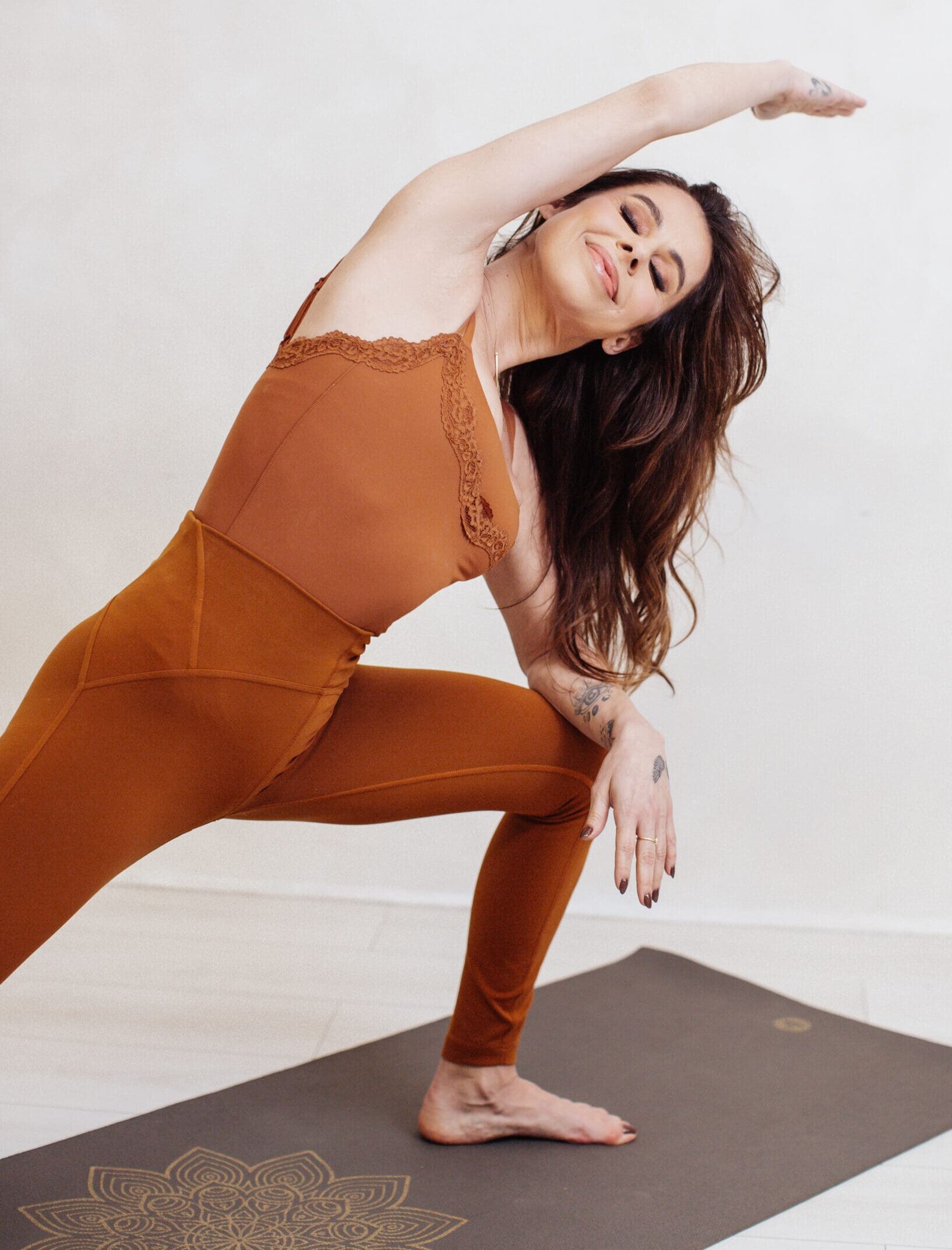
In a world filled with constant notifications, busy schedules, and daily responsibilities, it can be difficult to slow down and truly connect with yourself. Many people move through life feeling mentally overwhelmed, physically tense, and disconnected from their bodies. This is where mindful yoga practices can offer a gentle path toward greater calm, self-awareness, and emotional well-being.
Mindful yoga combines the physical movement of yoga with present-moment awareness. Instead of focusing only on flexibility or strength, the practice encourages you to notice your breath, body sensations, thoughts, and emotions without judgment. By bringing awareness to each movement, yoga becomes more than exercise, it becomes a powerful tool for stress relief, nervous system regulation, and self-connection.
Whether you are new to yoga or have practiced for years, these gentle approaches can help you slow down, reconnect with your body, and cultivate greater inner balance.
What Are Mindful Yoga Practices?
Mindful yoga practices combine traditional yoga postures with mindfulness, conscious breathing, and body awareness. The goal is not to perform perfect poses but to develop a deeper connection between the mind and body.
During a mindful yoga session, you may focus on:
- The rhythm of your breath
- Physical sensations in the body
- The way your body moves
- Emotional responses
- Thoughts and feelings without judgment
This approach encourages you to become more present instead of rushing through each movement. Over time, mindful yoga can support emotional balance, stress reduction, and a stronger awareness of your body’s needs.
How Mindful Yoga Supports Stress Relief
Stress affects both the mind and body. When you experience ongoing pressure, your nervous system may remain in a heightened state of alertness. This can lead to muscle tension, shallow breathing, poor sleep, anxiety, and emotional exhaustion.
Mindful yoga helps interrupt this cycle by combining gentle movement with slower breathing and focused awareness. This can encourage the body to shift from the stress response into a calmer state associated with rest and recovery.
Regular practice may help support:
- Reduced stress and anxiety
- Improved emotional regulation
- Better sleep quality
- Greater body awareness
- Increased mental clarity
- Nervous system balance
9 Mindful Yoga Practices to Reconnect With Your Body
1. Mindful Breathing
One of the simplest mindful yoga practices is conscious breathing. Before beginning movement, take a few moments to observe your natural breath.
Notice:
- Where you feel the breath in your body
- Whether your breathing is fast or slow
- The movement of your chest and abdomen
- Any areas of tension
There is no need to change your breath immediately. Simply observing it can help bring your attention into the present moment.
2. Body Scan Meditation
A body scan can be incorporated into a yoga session or practiced on its own. Slowly bring your awareness from your head to your toes, noticing sensations without judgment.
You may become aware of:
- Tight muscles
- Warmth or coolness
- Heaviness or lightness
- Areas of relaxation
- Emotional sensations
This practice helps you understand what your body may be communicating and can support deeper self-awareness.
3. Slow and Gentle Movement
Moving slowly is an important part of mindful yoga. Instead of rushing between postures, take time to notice how your body feels throughout each movement.
Gentle transitions can help you:
- Improve body awareness
- Reduce physical tension
- Move with greater intention
- Connect breath with movement
Slow Flow Yoga can be especially beneficial for individuals seeking relaxation and mindful movement.
4. Child’s Pose
Child’s Pose is a restorative posture that encourages grounding and relaxation. As you rest, focus on your breathing and notice how your body feels supported by the floor.
This posture may help:
- Relax the back and shoulders
- Calm the mind
- Encourage deeper breathing
- Create a sense of comfort and safety
Rather than forcing yourself to stay in the pose, allow your body to find a comfortable position.
5. Cat-Cow Movement
Cat-Cow is a gentle movement that connects breath with spinal mobility. Inhale as you move into one position and exhale as you transition into the next.
Practicing this movement mindfully allows you to notice:
- The movement of your spine
- Your breathing rhythm
- Areas of stiffness
- Changes in physical sensation
It is a simple way to begin developing a stronger mind-body connection.
6. Mindful Standing Poses
Standing postures can help improve awareness of balance, strength, and stability. Instead of focusing on how the pose looks, notice how your body feels.
During a standing posture, you may observe:
- The connection between your feet and the ground
- Your posture
- Your breathing
- Your muscle engagement
This type of awareness can help you feel more grounded and present.
7. Restorative Yoga
Restorative yoga uses supportive props such as cushions, blankets, and bolsters to encourage deep relaxation. The body is supported so that the nervous system can begin to settle.
Restorative yoga may be particularly helpful for people experiencing:
- Burnout
- Chronic stress
- Emotional exhaustion
- Sleep difficulties
- Physical tension
The slower pace creates space for stillness, reflection, and recovery.
8. Mindful Pranayama
Breathwork is an important part of yoga and can deepen the benefits of mindful movement. Gentle Pranayama practices help connect breath, body, and awareness.
Practices such as diaphragmatic breathing and alternate nostril breathing may help encourage relaxation and mental clarity.
The key is to practice gently and observe how your body responds.
9. Savasana and Mindful Rest
Savasana is often practiced at the end of a yoga session. Rather than treating it as a brief pause, you can use it as an opportunity for deep awareness and integration.
As you rest, notice:
- Your breathing
- The sensations in your body
- Your emotional state
- The quality of your thoughts
Allow yourself to rest without needing to achieve or accomplish anything. This can be one of the most valuable mindful yoga practices for people who are used to constantly staying busy.
The Benefits of Mindful Yoga Practices
Developing a regular mindful yoga routine can support your overall well-being in several ways.
Improved Body Awareness
Mindfulness helps you recognize tension, fatigue, and physical needs before they become overwhelming.
Reduced Stress
Gentle movement and conscious breathing can help calm the nervous system and reduce feelings of overwhelm.
Greater Emotional Awareness
Mindful yoga creates space to notice emotions without immediately reacting to them.
Better Focus
By repeatedly bringing your attention back to the breath and body, you can strengthen your ability to stay present.
Stronger Mind-Body Connection
Mindful movement helps you reconnect with physical sensations and develop a more compassionate relationship with your body.
How to Begin a Mindful Yoga Routine
You do not need an hour-long class or a complicated routine to experience the benefits of mindful yoga. Start with just 5 to 10 minutes each day.
A simple routine may include:
- Two minutes of mindful breathing.
- Gentle neck and shoulder movements.
- Cat-Cow stretches.
- Child’s Pose.
- A few minutes of quiet relaxation.
The most important part is consistency. Your practice does not need to be perfect to be meaningful.
Combining Yoga With Other Holistic Practices
Mindful yoga can be combined with other wellness practices to support deeper relaxation and emotional well-being.
Breathwork can help regulate the nervous system, while sound healing may encourage a deeper meditative state. Meditation, journaling, and time in nature can also support self-awareness and emotional balance.
Together, these practices can create a holistic approach to caring for your mind, body, and overall well-being.
Reconnect With Yourself Through Amanda Flow
If you are ready to explore mindful movement and reconnect with your body, Amanda Flow offers supportive wellness experiences designed to encourage relaxation, self-awareness, and inner balance.
Through gentle yoga, breathwork, sound healing, meditation, and nervous system-focused practices, Amanda Flow creates a nurturing space where you can slow down and reconnect with yourself.
Whether you are new to yoga or looking to deepen your existing practice, Amanda Flow can support you on your journey toward greater calm, awareness, and holistic well-being.
FAQs About Mindful Yoga Practices
1. What are mindful yoga practices?
Mindful yoga practices combine yoga movement with conscious breathing, body awareness, and present-moment mindfulness to support physical and emotional well-being.
2. Can mindful yoga help reduce stress?
Yes. Gentle movement, slow breathing, and mindfulness can help calm the nervous system and support stress reduction.
3. Are mindful yoga practices suitable for beginners?
Absolutely. Mindful yoga can be adapted for all experience levels and does not require advanced flexibility or strength.
4. How often should I practice mindful yoga?
Even 5 to 10 minutes daily can be beneficial. You can also practice longer sessions several times a week based on your needs and schedule.
5. Can mindful yoga improve the mind-body connection?
Yes. By paying attention to your breath, physical sensations, and emotions during movement, mindful yoga can help you develop greater body awareness and self-connection.