
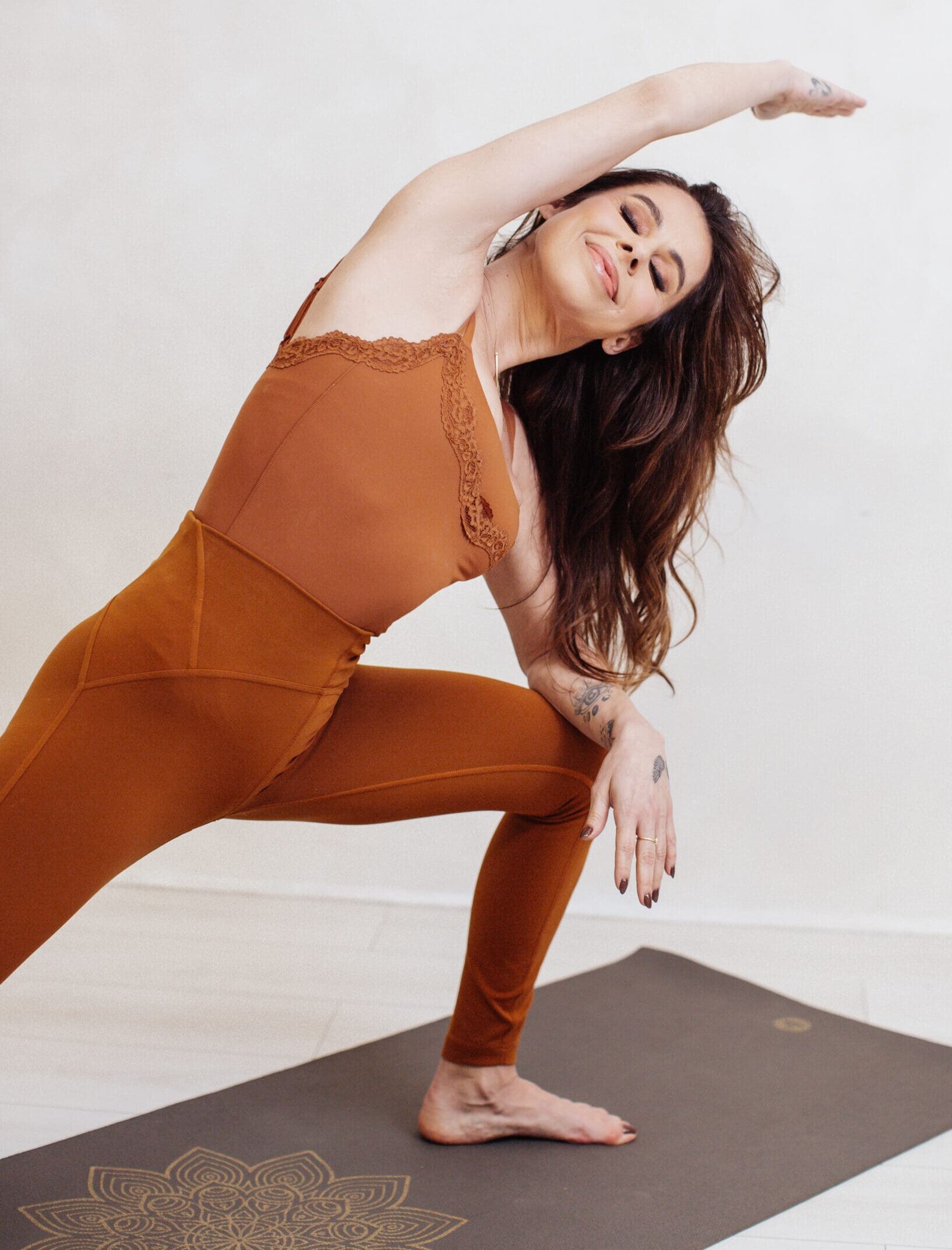
Life in London can move quickly. Busy workdays, long commutes, social commitments, digital stimulation, and constant pressure to keep going can gradually leave you feeling physically and emotionally depleted. When stress continues without enough recovery, burnout can begin to affect your energy, motivation, sleep, concentration, and overall sense of well-being.
For those looking for a gentler approach to recovery, yoga for burnout recovery in London can provide an opportunity to slow down, reconnect with the body, and create intentional space for rest.
Unlike demanding fitness routines, a restorative yoga practice focuses on comfortable movement, conscious breathing, body awareness, and relaxation. It is not about pushing harder or achieving difficult poses. Instead, the emphasis is on listening to your body and giving yourself permission to recover.
What Is Burnout?
Burnout is commonly associated with prolonged physical or emotional stress. It can develop when you experience ongoing demands without sufficient opportunities for rest and recovery.
Signs that you may be experiencing burnout can include:
- Persistent tiredness
- Feeling emotionally drained
- Difficulty concentrating
- Reduced motivation
- Irritability
- Sleep difficulties
- Feeling overwhelmed
- Losing enjoyment in activities you normally value
Burnout can affect everyone differently. If symptoms are persistent or significantly affecting your daily life, consider speaking with a qualified healthcare or mental health professional.
Yoga can be a complementary wellness practice that supports relaxation and body awareness, but it should not be considered a treatment or cure for burnout.
How Yoga Can Support Burnout Recovery
When you’re exhausted, the idea of an intense workout may feel overwhelming. Gentle yoga offers another option.
Yoga for burnout recovery in London can create a dedicated period when you step away from your responsibilities and focus on your breath, body, and present-moment experience.
A slower practice may encourage:
- Physical relaxation
- Mindful breathing
- Greater body awareness
- Gentle mobility
- Stress management
- Emotional self-awareness
- Rest and recovery
The objective is not to force relaxation. Instead, you create an environment where your body and mind can gradually slow down.
7 Gentle Yoga Practices for Burnout Recovery
1. Restorative Yoga
Restorative yoga is one of the most suitable styles for periods of exhaustion. Supported poses use props such as bolsters, blankets, blocks, and cushions to make the body comfortable.
Rather than moving quickly between poses, you remain in supported positions for longer periods.
This creates an opportunity to rest while maintaining gentle awareness of your breath and physical sensations.
2. Child’s Pose
Child’s Pose is a simple resting posture that can be adapted with cushions or bolsters for additional support.
It can provide a quiet pause during a practice and encourage you to turn your attention inward.
If the traditional position is uncomfortable, use props or choose another resting posture that feels better for your body.
3. Legs-Up-the-Wall Pose
Legs-Up-the-Wall is a gentle restorative posture where you lie comfortably while resting your legs against a wall.
Many people use it as part of a relaxation routine after a busy day.
Stay for a few comfortable minutes while breathing naturally. You don’t need to force your legs into a particular position.
4. Gentle Cat-Cow Movement
Cat-Cow is a slow movement that coordinates breathing with spinal mobility.
Move gradually between the two positions while keeping the movements comfortable.
Rather than focusing on flexibility, use the practice to notice how your body feels.
This type of mindful movement can be useful when burnout has left you feeling physically tense or disconnected from your body.
5. Seated Forward Fold
A supported seated forward fold can become a calming posture when approached gently.
Place a cushion or bolster in front of you if helpful and allow your upper body to soften toward the support.
There is no need to reach your feet or create a deep stretch. The intention is relaxation rather than intensity.
6. Gentle Supine Twist
A comfortable lying twist can introduce gentle movement through the spine while allowing the rest of the body to remain supported.
Keep the movement easy and avoid forcing your knees or shoulders toward the floor.
Use your breath as a reminder to move slowly and remain present.
7. Savasana and Mindful Rest
Savasana, or Corpse Pose, is traditionally practised at the end of a yoga session.
For someone experiencing burnout, this period of stillness can be particularly valuable.
Lie comfortably with support underneath your head or knees if needed. Allow your breathing to return to its natural rhythm and simply notice your body resting.
Sometimes the most restorative part of yoga is giving yourself permission to do nothing.
The Role of Breathwork in Burnout Recovery
Breathing is an important part of yoga and can complement yoga for burnout recovery in London.
When you’re stressed, you may notice that your breathing becomes shallow or faster. Gentle conscious breathing can help you pause and become aware of this pattern.
Simple practices such as diaphragmatic breathing and other calming Pranayama techniques can be incorporated into a gentle yoga routine.
The emphasis should be on comfortable breathing rather than forcing deep or intense breaths.
If you are new to breathwork, guided instruction can help you learn techniques safely and appropriately.
Why Gentle Yoga May Be Better Than Intense Exercise During Burnout
When your energy is already depleted, adding another demanding activity to your schedule may not feel restorative.
Gentle yoga provides a different approach.
Instead of asking, “How much can I achieve?” the practice asks, “What does my body need today?”
Some days, that might mean several gentle stretches. Other days, it may mean spending most of the session resting and breathing.
This shift from performance to self-awareness can help you develop a more compassionate relationship with your body.
Creating a Burnout Recovery Routine in London
A sustainable wellness routine does not need to take hours.
Try creating small moments of recovery throughout your week.
For example:
Morning: Practise five minutes of mindful breathing.
During the day: Take a short screen-free walk.
Evening: Spend 10–15 minutes practising gentle stretches.
Weekly: Attend a restorative yoga, sound bath, or breathwork session.
The goal is consistency without pressure.
If you’re constantly trying to optimise your wellness routine, it can become another source of stress. Keep it simple and adaptable.
Combining Yoga With Other Restorative Practices
Yoga for burnout recovery in London can work well alongside other holistic wellness practices.
Sound Healing
Sound baths and crystal singing bowls can create a peaceful environment for relaxation and mindfulness.
Breathwork
Gentle conscious breathing can support body awareness and help you transition into a slower state.
Meditation
Mindfulness meditation can encourage present-moment awareness and create mental space.
Time in Nature
Walking through one of London’s parks or spending quiet time outdoors can complement a restorative yoga routine.
Journaling
Writing down your thoughts and emotions can help you recognise patterns and understand what you need.
Together, these practices can create a holistic approach to rest and self-care.
When to Seek Additional Support
Yoga can be a supportive wellness practice, but burnout sometimes requires more than lifestyle changes.
If you are experiencing persistent exhaustion, severe anxiety, depression, significant sleep problems, or difficulty functioning in everyday life, consider seeking support from a qualified healthcare or mental health professional.
You do not need to wait until you reach complete exhaustion before asking for help.
Rest, professional support, healthy boundaries, and appropriate lifestyle changes can all be part of recovery.
Experience Gentle Yoga With Amanda Flow
If you’re looking for yoga for burnout recovery in London, Amanda Flow offers holistic wellness experiences designed to help you slow down, reconnect with your body, and create space for relaxation.
Through mindful and restorative yoga, breathwork, sound healing, sound baths, and other supportive practices, Amanda Flow provides a nurturing environment where you can step away from the pace of everyday life.
Whether you’re new to yoga or looking for a gentler way to practise, explore Amanda Flow’s wellness offerings and discover practices that support greater calm, awareness, and inner balance.
Give yourself permission to slow down. Your recovery does not have to be rushed.
FAQs About Yoga for Burnout Recovery in London
1. Can yoga help with burnout recovery?
Gentle yoga may support relaxation, body awareness, stress management, and mindful rest. However, it should be considered complementary support rather than a standalone treatment for burnout.
2. What type of yoga is best for burnout?
Restorative yoga, gentle yoga, slow-flow practices, and other low-intensity approaches may be more appropriate when you’re feeling depleted.
3. How often should I practise yoga for burnout recovery?
Start with a schedule that feels manageable. Short, gentle practices several times a week may be more sustainable than demanding sessions that leave you feeling exhausted.
4. Can breathwork be combined with yoga?
Yes. Gentle breathing techniques are naturally incorporated into many yoga practices and can complement relaxation, mindfulness, and body awareness.
5. Is yoga suitable if I feel completely exhausted?
Gentle or restorative yoga may be more appropriate than vigorous exercise when you’re tired. Listen to your body, avoid pushing through exhaustion, and seek professional support if your symptoms are persistent or severe.


