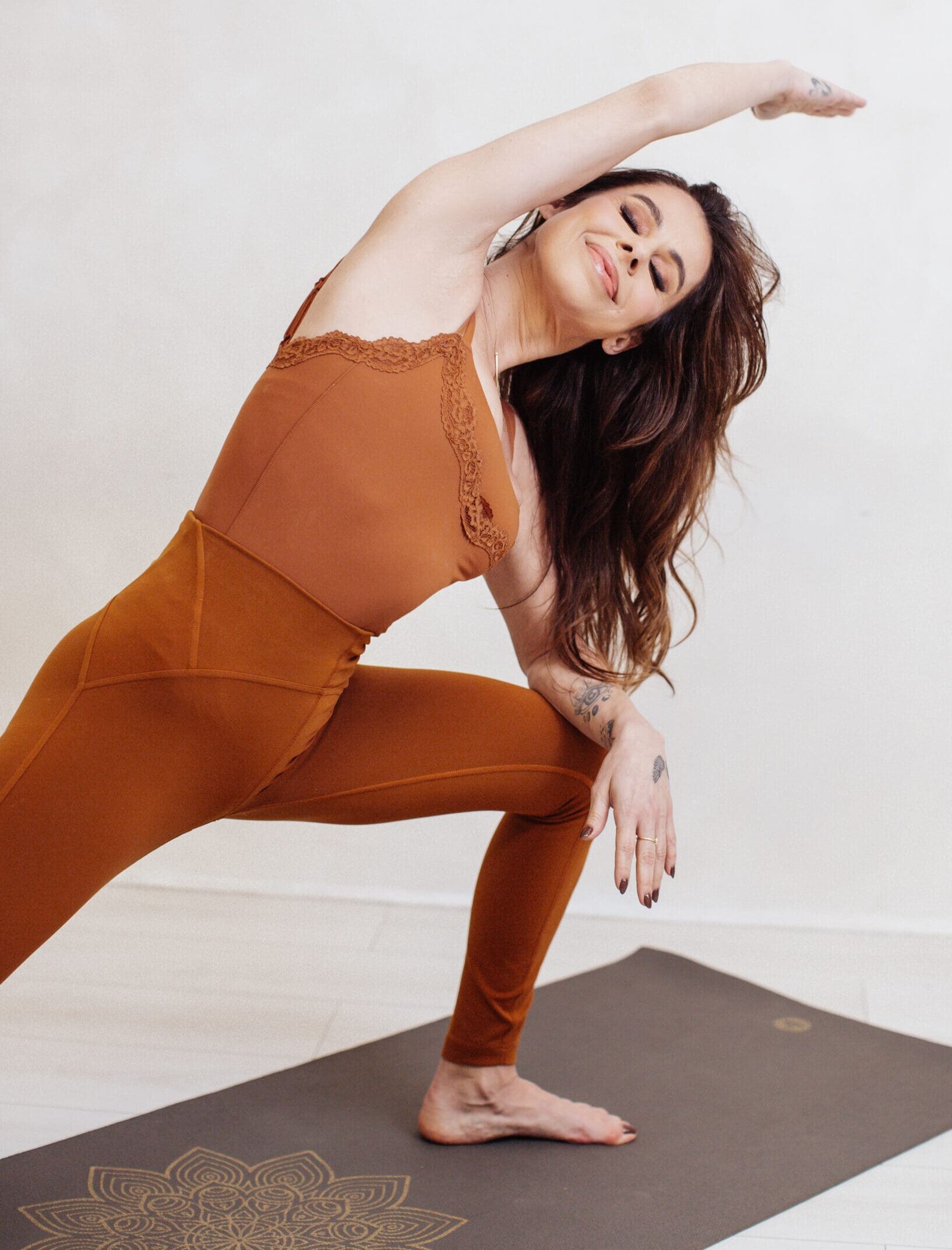
In today’s fast-moving world, chronic stress has become a common part of daily life. Work demands, family responsibilities, digital overload, and emotional pressures can leave the body feeling exhausted and the mind overwhelmed. Over time, prolonged stress can affect sleep, energy levels, mood, and overall well-being. This is where stress recovery yoga can make a profound difference.
Unlike intense fitness-focused yoga styles, stress recovery yoga is designed to help the body shift out of survival mode and into a state of rest, restoration, and healing. Through gentle movement, mindful breathing, and deep relaxation, this practice supports nervous system regulation and helps rebuild depleted energy reserves.
In this guide, we’ll explore the benefits of stress recovery yoga, how it supports emotional and physical healing, and simple practices you can incorporate into your daily routine.
What Is Stress Recovery Yoga?
Stress recovery yoga is a gentle, restorative approach to yoga that focuses on calming the nervous system and supporting recovery from physical, mental, and emotional stress. Rather than pushing the body through challenging poses, this style emphasizes slow movement, conscious breathing, mindfulness, and relaxation.
The goal of stress recovery yoga is not performance or flexibility, it is creating a safe space for the body to release tension and restore balance.
Many stress recovery yoga practices incorporate:
- Gentle stretching
- Slow Flow Yoga
- Restorative yoga poses
- Breathwork and Pranayama
- Mindfulness meditation
- Guided relaxation techniques
These practices help encourage a sense of calm while allowing the body to recover from the effects of chronic stress.
Why Stress Affects the Body and Mind
When we experience stress, the body activates the sympathetic nervous system, commonly known as the “fight or flight” response. This reaction is helpful during short-term challenges, but prolonged activation can create physical and emotional strain.
Chronic stress may contribute to:
- Anxiety and overwhelm
- Fatigue and burnout
- Poor sleep quality
- Muscle tension
- Brain fog and difficulty concentrating
- Emotional imbalance
- Reduced resilience
Stress recovery yoga helps counter these effects by activating the parasympathetic nervous system, often referred to as the “rest and digest” state.
How Stress Recovery Yoga Supports Healing
One of the most powerful benefits of stress recovery yoga is its ability to regulate the nervous system. Through slow, mindful movement and breath awareness, the body receives signals that it is safe to relax.
Encourages Nervous System Regulation
Stress recovery yoga helps reduce the body’s stress response and promotes feelings of safety, relaxation, and emotional balance.
Releases Physical Tension
Stress is often stored in the shoulders, neck, hips, and lower back. Gentle stretching can help release this accumulated tension.
Supports Emotional Well-Being
The mindful nature of stress recovery yoga encourages self-awareness and emotional processing, helping individuals feel more grounded and present.
Rebuilds Energy Naturally
Instead of depleting energy through intense exercise, stress recovery yoga restores energy by encouraging rest and recovery.
Benefits of Stress Recovery Yoga
Regular practice of stress recovery yoga may support overall wellness in many ways.
Reduced Stress and Anxiety
One of the primary reasons people turn to stress recovery yoga is to calm the mind and reduce feelings of anxiety.
Better Sleep Quality
By calming the nervous system, stress recovery yoga may help improve sleep and support deeper rest.
Increased Emotional Resilience
Consistent practice can help improve your ability to cope with challenges and emotional stressors.
Improved Mind-Body Connection
Stress recovery yoga encourages mindfulness and awareness of physical and emotional sensations.
Enhanced Energy Levels
When stress is reduced and the body is properly rested, energy levels often improve naturally.
Gentle Stress Recovery Yoga Practices
If you’re new to stress recovery yoga, these simple poses and techniques can help you begin.
Child’s Pose (Balasana)
Child’s Pose is a deeply calming posture that gently stretches the back and encourages relaxation.
Benefits:
- Calms the nervous system
- Relieves tension in the spine
- Promotes emotional grounding
Legs-Up-The-Wall Pose (Viparita Karani)
This restorative pose helps improve circulation while encouraging deep relaxation.
Benefits:
- Reduces fatigue
- Calms the mind
- Supports nervous system recovery
Cat-Cow Stretch
This gentle movement connects breath with spinal mobility and helps release physical tension.
Benefits:
- Improves circulation
- Reduces stiffness
- Encourages mindful breathing
Seated Forward Fold
Forward folds naturally quiet the mind and promote relaxation.
Benefits:
- Reduces mental tension
- Stretches the back and hamstrings
- Encourages introspection
Savasana (Final Relaxation)
No stress recovery yoga practice is complete without Savasana. This resting pose allows the body to fully absorb the benefits of the practice.
Benefits:
- Deep relaxation
- Nervous system restoration
- Emotional balance
The Role of Breathwork in Stress Recovery Yoga
Breath awareness is a key component of stress recovery yoga. Conscious breathing helps regulate the nervous system and creates a bridge between the body and mind.
Breathing practices often included in stress recovery yoga include:
Pranayama
Pranayama techniques help balance energy and reduce stress through controlled breathing patterns.
Diaphragmatic Breathing (Hypopressives)
This deep breathing technique supports relaxation and nervous system regulation.
Alternate Nostril Breathing
A traditional yogic practice that promotes emotional balance and mental clarity.
Combining these breathwork techniques with movement can enhance the calming effects of stress recovery yoga.
Creating a Stress Recovery Yoga Routine at Home
You don’t need an hour-long practice to experience the benefits of stress recovery yoga. Even 10–20 minutes each day can support relaxation and recovery.
Here are some simple tips:
- Practice in a quiet space
- Focus on slow, intentional movement
- Use calming music or guided meditation
- Prioritize comfort over perfection
- End with relaxation or breathwork
Consistency is often more beneficial than intensity when it comes to stress recovery yoga.
Who Can Benefit From Stress Recovery Yoga?
Stress recovery yoga is suitable for nearly everyone, especially those experiencing:
- Chronic stress
- Burnout
- Anxiety
- Sleep difficulties
- Emotional overwhelm
- Fatigue and low energy
Because the practice is gentle and adaptable, it can be modified to suit different fitness levels and physical abilities.
Why Stress Recovery Yoga Is More Important Than Ever
In a culture that often values productivity over rest, many people forget that recovery is essential for long-term well-being.
Stress recovery yoga provides a compassionate approach to self-care by encouraging the body to slow down, breathe deeply, and heal naturally. Rather than pushing through exhaustion, it teaches us to listen to our bodies and create space for restoration.
Restore Balance With Amanda Flow
If you’re ready to reduce stress, rebuild your energy, and reconnect with yourself, Amanda Flow offers supportive and nurturing practices designed to promote deep relaxation and healing.
Through stress recovery yoga, breathwork, sound healing, and nervous system regulation techniques, Amanda Flow creates a welcoming environment where you can restore balance and cultivate lasting well-being.
Whether you’re recovering from burnout, managing stress, or simply seeking a gentler approach to wellness, Amanda Flow can help guide your journey toward greater calm, resilience, and vitality.
FAQs About Stress Recovery Yoga
1. What is stress recovery yoga?
Stress recovery yoga is a gentle style of yoga focused on reducing stress, calming the nervous system, and supporting physical and emotional recovery.
2. Is stress recovery yoga suitable for beginners?
Yes, stress recovery yoga is beginner-friendly and emphasizes gentle movement, relaxation, and breath awareness.
3. Can stress recovery yoga help with anxiety?
Many people find that stress recovery yoga helps reduce anxiety by promoting relaxation and nervous system regulation.
4. How often should I practice stress recovery yoga?
Practicing stress recovery yoga several times a week, or even for 10–20 minutes daily, may provide significant benefits.
5. Does stress recovery yoga improve sleep?
Yes, stress recovery yoga may help improve sleep quality by calming the mind, reducing tension, and supporting relaxation before bedtime.