
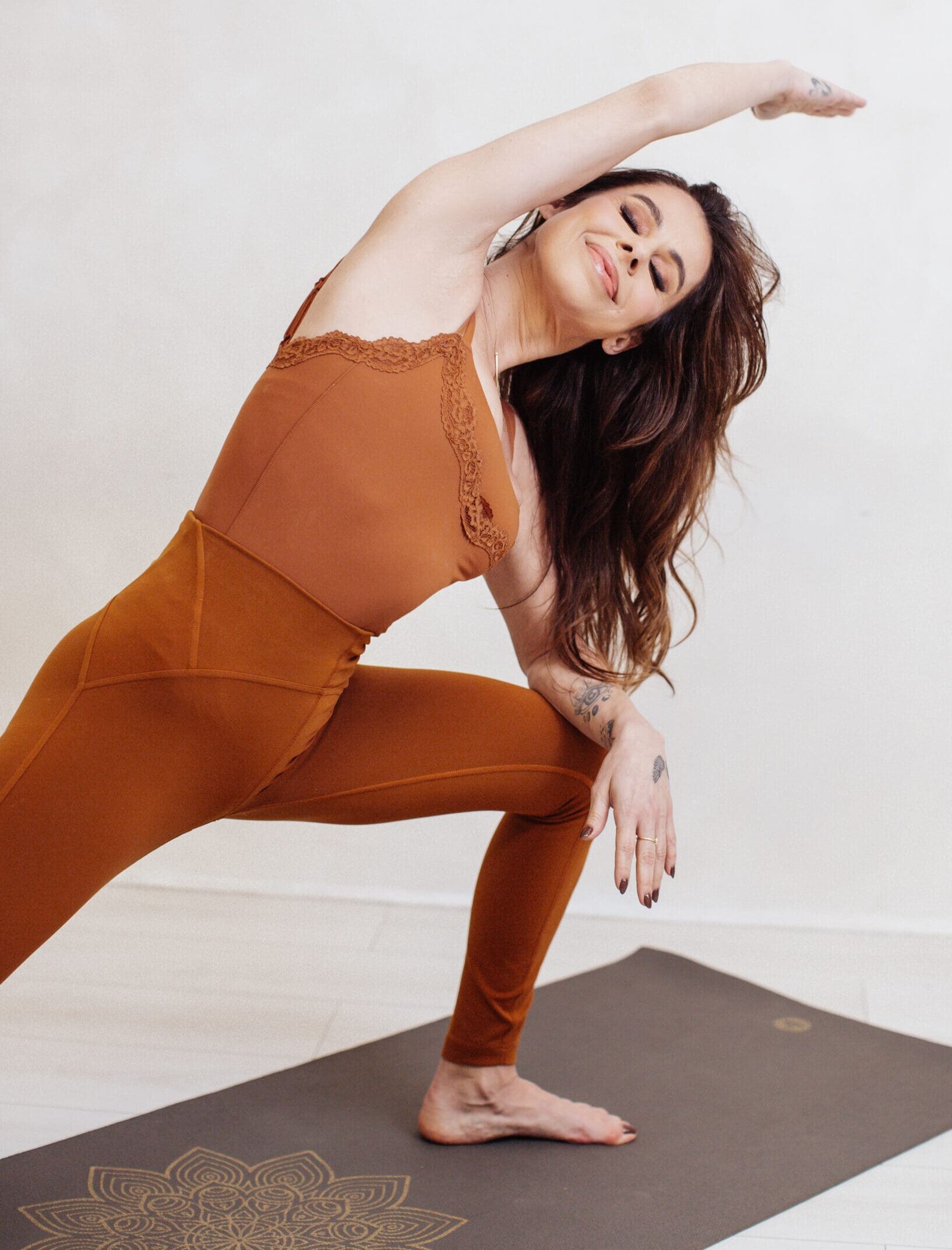
In today’s always-on culture, burnout has become increasingly common. Long work hours, emotional responsibilities, constant digital connection, and chronic stress can leave people feeling physically exhausted, mentally drained, and emotionally disconnected. When rest alone doesn’t seem to help, it may be time to explore deeper approaches to healing. One of the most effective and holistic tools is yoga for burnout.
Unlike high-intensity workouts that may further deplete energy reserves, yoga for burnout focuses on restoration, nervous system regulation, and mindful self-care. Through gentle movement, breath awareness, and relaxation techniques, this practice helps replenish energy while supporting emotional and physical recovery.
In this guide, we’ll explore how yoga for burnout works, its benefits, and simple practices that can help you reconnect with yourself and rebuild resilience.
What Is Burnout?
Burnout is a state of physical, emotional, and mental exhaustion caused by prolonged stress. It often develops gradually when demands consistently exceed a person’s ability to recover and recharge.
Common signs of burnout include:
- Persistent fatigue
- Lack of motivation
- Emotional overwhelm
- Difficulty concentrating
- Increased anxiety or irritability
- Sleep disturbances
- Feelings of detachment or numbness
- Reduced enjoyment in daily activities
Because burnout affects both the body and mind, recovery requires more than simply taking a day off. Practices that support nervous system healing and emotional balance can be especially beneficial.
Why Yoga Helps With Burnout Recovery
One of the reasons yoga for burnout is so effective is that it addresses the root causes of chronic stress. Burnout often keeps the nervous system stuck in a heightened state of alertness, commonly known as the “fight or flight” response.
Yoga encourages the body to shift into the parasympathetic nervous system, also called the “rest and digest” state. This helps reduce stress hormones, relax muscle tension, and create a sense of safety within the body.
Regular yoga for burnout may help:
- Reduce stress and anxiety
- Improve sleep quality
- Increase energy levels
- Support emotional regulation
- Enhance self-awareness
- Promote nervous system recovery
- Encourage mindfulness and relaxation
The Connection Between Burnout and the Nervous System
Burnout is not simply a mental experience, it also affects the body’s nervous system. Chronic stress can leave the nervous system dysregulated, making it difficult to rest, relax, or feel emotionally balanced.
Yoga for burnout supports nervous system regulation through:
- Slow and mindful movement
- Conscious breathing
- Meditation and mindfulness
- Restorative postures
- Relaxation techniques
These practices signal safety to the body, allowing healing and recovery to occur more naturally.
Benefits of Yoga for Burnout
A consistent yoga for burnout practice offers numerous benefits that support both emotional and physical well-being.
Restores Energy Naturally
Unlike intense exercise, yoga for burnout focuses on replenishing energy rather than expending it. Gentle movement helps improve circulation and reduce fatigue without overwhelming the body.
Reduces Stress Levels
Mindful movement and breathwork encourage relaxation and help reduce the effects of chronic stress.
Improves Emotional Well-Being
Yoga creates space for self-reflection and emotional processing, helping individuals reconnect with their feelings and inner needs.
Enhances Sleep Quality
Burnout often interferes with sleep. Yoga for burnout can help calm the mind and prepare the body for deeper rest.
Encourages Mind-Body Awareness
Through yoga, people learn to recognize stress signals earlier and respond with greater self-compassion.
Gentle Yoga Practices for Burnout Recovery
The best yoga for burnout practices are slow, nurturing, and restorative. Here are some gentle techniques to support recovery.
1. Child’s Pose (Balasana)
Child’s Pose is a grounding posture that promotes relaxation and emotional comfort.
Benefits:
- Calms the nervous system
- Releases tension in the back and shoulders
- Encourages feelings of safety and rest
2. Legs-Up-The-Wall Pose (Viparita Karani)
This restorative posture supports circulation while helping the body relax deeply.
Benefits:
- Reduces fatigue
- Relieves stress
- Encourages nervous system recovery
3. Cat-Cow Stretch
This gentle movement helps release physical tension and improve body awareness.
Benefits:
- Increases mobility
- Supports mindful breathing
- Relieves stress-related stiffness
4. Seated Forward Fold
Forward folds naturally calm the mind and encourage introspection.
Benefits:
- Reduces mental tension
- Promotes relaxation
- Supports emotional grounding
5. Savasana
Savasana, or Final Relaxation Pose, is essential in yoga for burnout because it allows the body to fully absorb the benefits of the practice.
Benefits:
- Deep relaxation
- Nervous system restoration
- Mental and emotional recovery
Breathwork Practices to Complement Yoga for Burnout
Breath awareness is a key element of yoga for burnout because breathing patterns directly affect the nervous system.
Pranayama
Pranayama techniques help regulate energy and create a sense of calm through intentional breathing.
Diaphragmatic Breathing (Hypopressives)
This deep breathing method promotes relaxation and helps release stress held within the body.
Alternate Nostril Breathing
A traditional yogic practice that balances energy, reduces mental overwhelm, and improves focus.
Combining breathwork with yoga for burnout can deepen relaxation and enhance recovery.
Creating a Burnout Recovery Routine
Consistency is often more important than intensity when recovering from burnout. Even short daily practices can have meaningful benefits.
Here are some simple tips:
- Practice yoga in a quiet environment
- Focus on gentle movements rather than challenging poses
- Incorporate mindful breathing
- Prioritize rest and recovery
- Allow yourself to move at your own pace
Remember that yoga for burnout is about listening to your body, not pushing beyond your limits.
Additional Wellness Practices for Burnout Recovery
While yoga for burnout can be highly effective, combining it with other holistic practices may support even deeper healing.
Sound Healing
Sound baths and healing frequencies can help calm the nervous system and encourage relaxation.
Mindfulness Meditation
Meditation helps reduce overthinking and create greater emotional awareness.
Nature Connection
Spending time outdoors supports stress reduction and nervous system balance.
Journaling
Reflective writing can help process emotions and increase self-understanding.
Together with yoga for burnout, these practices create a well-rounded approach to recovery.
Why Self-Compassion Matters During Burnout Recovery
One of the most important aspects of healing from burnout is learning to treat yourself with kindness. Many people experiencing burnout feel pressure to keep doing more, even when their bodies are asking for rest.
Yoga for burnout teaches a different approach, one rooted in self-awareness, acceptance, and gentle healing. By slowing down and tuning into your needs, you create space for true recovery.
Restore Balance With Amanda Flow
If you’re feeling emotionally exhausted, overwhelmed, or disconnected from yourself, Amanda Flow offers supportive wellness practices designed to help you heal and recharge.
Through yoga for burnout, breathwork, sound healing, nervous system regulation, and mindful movement, Amanda Flow creates a nurturing space where you can restore balance and reconnect with your inner self.
Whether you’re recovering from chronic stress or simply seeking more calm and energy in your daily life, Amanda Flow can guide you on a path toward greater well-being and resilience.
FAQs About Yoga for Burnout
1. What is yoga for burnout?
Yoga for burnout is a gentle and restorative yoga practice designed to reduce stress, regulate the nervous system, and support emotional and physical recovery.
2. Can yoga help with burnout symptoms?
Yes. Yoga for burnout may help reduce stress, improve sleep, restore energy, and support emotional well-being.
3. How often should I practice yoga for burnout?
Even 10–20 minutes of yoga for burnout several times a week can provide meaningful benefits for stress management and recovery.
4. What type of yoga is best for burnout recovery?
Restorative yoga, Slow Flow Yoga, Yin Yoga, and mindfulness-based practices are often recommended for burnout recovery.
5. Can beginners practice yoga for burnout?
Absolutely. Yoga for burnout is suitable for beginners because it focuses on gentle movement, relaxation, and breath awareness rather than advanced poses.


